Easy Chunky Crochet Blanket: Free Beginner Pattern
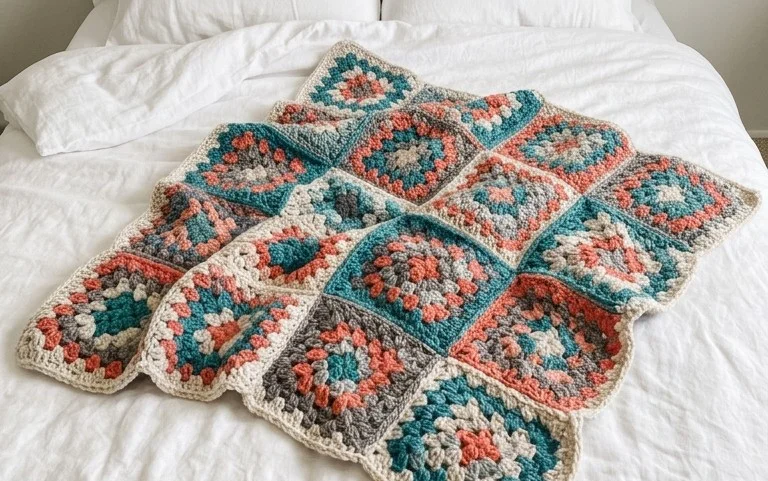
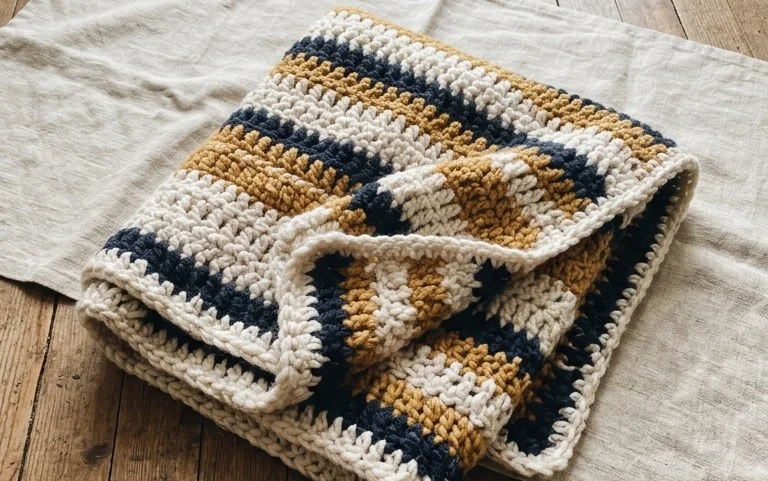
Soft, heavy wool blankets provide the best warmth during winter evenings on the couch. This thick, weighted throw uses super bulky yarn to create a dense fabric that feels substantial under your hands. It acts as an approachable starter project for anyone new to working with large hooks and thick fibers. You will master basic chain stitches and the double crochet while creating a piece that looks clean and modern in any living room. Making this item provides a quick sense of accomplishment, and the result is a durable addition to your home that lasts for many cold seasons ahead.
Why You’ll Love This Pattern
This crochet project produces a classic, functional cotton washcloth that utilizes a combination of textured stitches to create a gentle scrubbing surface. The pattern is exceptionally quick to work up, making it an ideal choice for using those leftover small balls of cotton yarn that otherwise gather dust in your stash. Because it uses simple, repeating stitch patterns, it remains an accessible project for beginners while still providing enough texture to feel professional. These cloths make excellent handmade gifts for housewarmings or holiday baskets, as they are durable and easily laundered.
I managed to whip up three of these in a single weekend. The texture is much better than the flat store-bought ones, and the cotton holds its shape perfectly after washing.
— Sarah, home crafter
Pattern Overview & Skill Level
- Skill Level: Beginner
- Approximate Time: 1 to 1.5 hours per cloth
- Construction: Worked in flat rows starting from a foundation chain
- Finished Dimensions: 8 inches by 8 inches
Materials & Supplies Needed
- Yarn: Worsted weight (#4) 100% cotton yarn. Approximately 60 yards per cloth.
- Hook Size: 5.0 mm (H-8) crochet hook.
- Notions: Tapestry needle for weaving in ends and scissors.
- Yarn Substitutions: Use any 100% cotton or cotton-linen blend. Avoid acrylic, as it does not absorb water effectively and will not provide the necessary scrubbing texture for washing dishes or skin. If using a thinner sport weight yarn, the cloth will be smaller; adjust by adding more starting chains to maintain the 8-inch width.
Stitch Guide & Abbreviations (US Terms)
- ch = chain
- sc = single crochet
- dc = double crochet
- st/sts = stitch/stitches
- sl st = slip stitch
- YO = yarn over
- Special Stitch: The Seed Stitch is created by alternating single crochet and double crochet stitches within the same row and staggering them in subsequent rows. This creates a bumpy, raised texture ideal for cleaning.
Step-by-Step Pattern Instructions
Washcloth Body
- Foundation: Ch 30.
- Row 1: Sc in 2nd ch from hook. *Dc in next ch, sc in next ch. Repeat from * across until the end. Turn. (29 sts)
- Row 2: Ch 1 (does not count as a stitch). Dc in the first sc, sc in the next dc. Repeat across, ending with a dc in the final sc. Turn. (29 sts)
- Row 3: Ch 1. Sc in the first dc, dc in the next sc. Repeat across, ending with an sc in the final dc. Turn. (29 sts)
- Rows 4–28: Repeat Rows 2 and 3 until the piece measures approximately 8 inches from the starting edge.
- Row 29: Ch 1. Sc in each stitch across. Fasten off.
Finishing
Once you reach the final row, cut your yarn leaving a 6-inch tail. Pull the tail through the final loop to secure it. Use your tapestry needle to weave the tail back and forth through the base of the stitches on the back side of the work. Repeat this for the starting tail at the foundation chain. Trim any excess yarn close to the fabric, ensuring you do not cut into the stitches themselves.
Care & Washing Instructions
- Machine wash in warm water on a gentle cycle to remove oils and debris.
- Lay the cloth flat on a clean towel to air dry, reshaping it into a square while damp.
- Avoid using heavy fabric softeners, as they leave a residue that reduces the cotton’s natural absorbency.
Pro Tips & Common Mistakes to Avoid
Consistency in tension is vital for a flat washcloth. If your edges are curling, your tension on the double crochet stitches is likely too tight compared to your single crochets. Use a stitch marker on the first stitch of every row to ensure you do not accidentally skip the final stitch, which is a common cause of uneven edges. Weave your ends in multiple directions—horizontally and then diagonally—to ensure the yarn tail stays locked in place even after repeated machine washings. To increase the size of the cloth, add chains in multiples of two; keep in mind that each additional inch in width will require approximately 10 extra yards of yarn.
Frequently Asked Questions
Can I use a larger hook for this pattern?
Yes, you can use a 5.5 mm (I-9) hook if you prefer a looser, more pliable fabric. This will make the finished cloth slightly larger but will also use more yarn.
Is this pattern suitable for someone who has only learned single crochet?
Absolutely. This pattern is a great follow-up for beginners because it introduces the double crochet stitch and combines it with the single crochet you already know to create a professional-looking texture.
Can I sell the washcloths I make from this pattern?
You are welcome to sell finished items made from this pattern in small quantities. Please credit the design to this tutorial in your shop listings.
Why does my rectangle look like a trapezoid?
This usually happens if you are missing stitches at the ends of your rows. Always count your stitches at the end of each row to ensure you have exactly 29 stitches before turning.
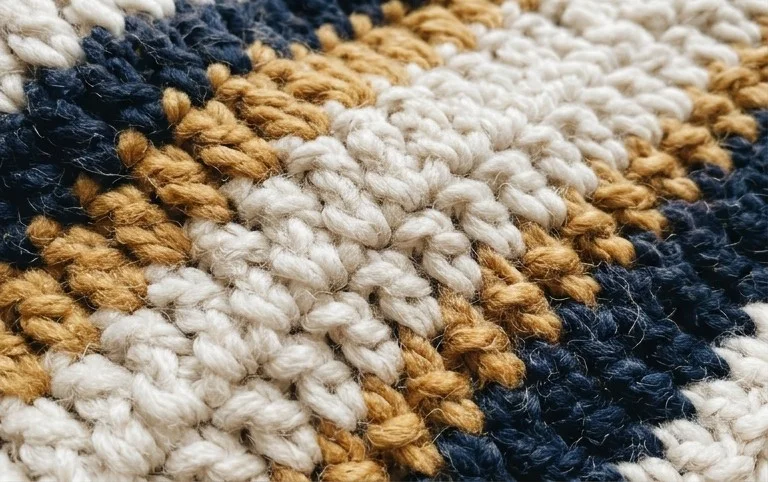
Your finished project brings a cozy, heavy texture to your bedroom or favorite armchair that you cannot find in department stores. To adjust the feel, swap the wool for a cotton blend to make a breathable version suitable for spring mornings. If you enjoyed the speed of this project, check the archives for more home decor tutorials that use jumbo yarn. When you finish your blanket, snap a photo and tag the blog so we can see which color combinations you chose for your living space.