Easy Fall Colored Beanies: Free Crochet Patterns to Try
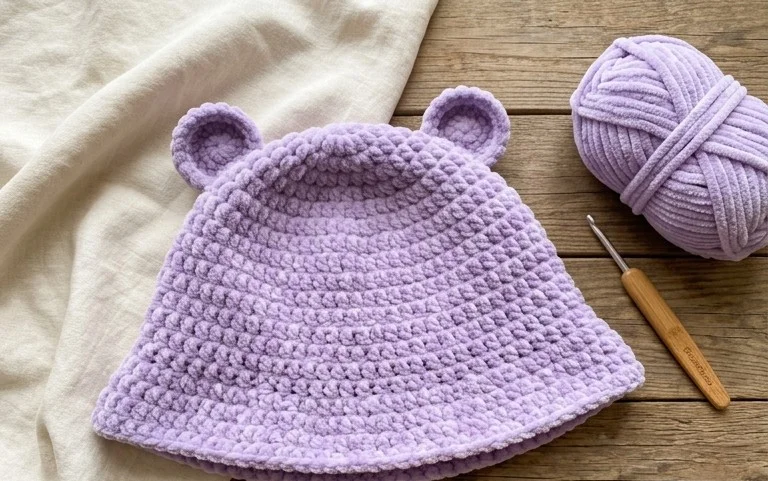
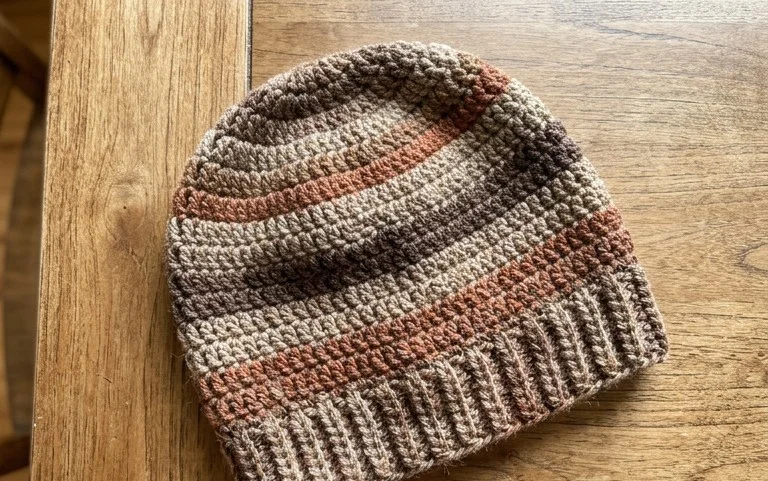
Crisp morning air calls for thick wool beanies in shades of burnt orange, deep mustard, and forest green. These hats offer a dense, squishy texture that traps body heat effectively during the chilly months. Whether you are a beginner picking up a hook for the first time or a gift maker building a stash for the holidays, these beanies provide a satisfying rhythm that works up quickly in a single evening. You will learn to manipulate height with front post stitches to create a ribbed edge that hugs your ears snugly, ensuring your autumn headwear stays secure even on the windiest days.
Why You’ll Love This Pattern
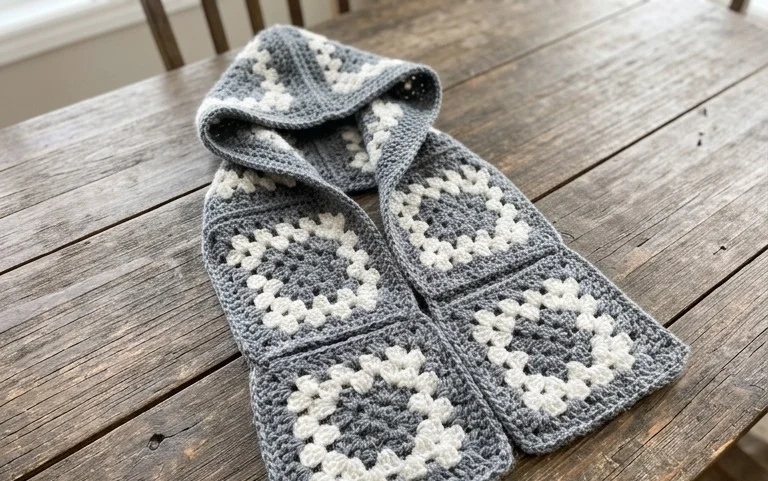
The Classic Crochet Granny Square is the foundational building block for countless blankets, bags, and garments. This project is ideal for beginners because it introduces the concept of working into chain spaces rather than individual stitches, which significantly speeds up the process. It is highly portable, allowing you to complete one square in a single sitting during your commute or while watching television. Because it requires only a small amount of yarn, it serves as a perfect method to use up leftover scraps from larger projects. The repetition of the pattern creates a meditative, rhythmic flow that makes it easy to memorize after just one or two rounds.
I finally learned how to keep my corners sharp and flat thanks to this tutorial, and now I have a whole basket of squares ready to be joined into a cardigan.
— Sarah, beginner crocheter
Pattern Overview & Skill Level
- Skill Level: Beginner
- Approximate Time: 20-30 minutes per square
- Construction: Worked in joined rounds, starting from the center and moving outward
- Finished Dimensions: Approximately 6 inches by 6 inches using specified yarn and hook
Materials & Supplies Needed
- Yarn: Worsted weight (#4), 100% acrylic or wool blend, approximately 20-25 yards per square.
- Hook Size: 5.0 mm (H-8)
- Notions: Tapestry needle for weaving in ends, sharp scissors.
- Yarn Substitutions: You may use cotton yarn, which will result in a firmer, less stretchy square. If you choose a lighter weight yarn (DK #3), your square will be smaller unless you add additional rounds.
Stitch Guide & Abbreviations (US Terms)
- ch = chain
- sl st = slip stitch
- dc = double crochet
- st/sts = stitch/stitches
- sp = space
- Cluster = A group of 3 dc stitches worked into the same space.
- Shell = Two clusters separated by a chain 2, creating the corner of the square.
Step-by-Step Pattern Instructions
Center and First Rounds
- Foundation: Ch 4, join with sl st to first ch to form a ring.
- Rnd 1: Ch 3 (counts as first dc), work 2 dc into the ring, ch 2. [Work 3 dc into ring, ch 2] 3 times. Join with sl st to top of beg ch-3. (12 dc total, 4 corner ch-2 spaces)
- Rnd 2: Sl st into next 2 dc and into the corner ch-2 sp. Ch 3, 2 dc, ch 2, 3 dc in same corner sp. *Ch 1, skip 3 dc, (3 dc, ch 2, 3 dc) in next corner ch-2 sp. Repeat from * 2 more times. Ch 1, join with sl st to top of beg ch-3. (24 dc total)
- Rnd 3: Sl st into next 2 dc and into corner ch-2 sp. Ch 3, 2 dc, ch 2, 3 dc in same corner sp. *Ch 1, 3 dc in next ch-1 sp, ch 1, (3 dc, ch 2, 3 dc) in next corner sp. Repeat from * 2 more times. Ch 1, 3 dc in last ch-1 sp, ch 1, join with sl st to top of beg ch-3. (36 dc total)
Finishing the Square
To finish the square, fasten off your yarn, leaving a 6-inch tail. Pull the tail through the final loop to secure it. Thread your tapestry needle and weave the tail through the back loops of the cluster stitches along the edge of the square, moving in both directions to prevent unraveling before trimming the excess.
Care & Washing Instructions
- Machine wash your completed project in cold water on a gentle cycle to preserve the integrity of the fibers.
- Lay the item flat on a towel immediately after washing to prevent stretching or distortion while drying.
- Reshape the square by gently pulling on the corners while damp and pin them to a blocking board if you require perfect geometry for joining.
Pro Tips & Common Mistakes to Avoid
Pay close attention to your tension during the chain-1 spaces along the sides of the square; if these are too tight, the square will begin to curl or cup like a bowl. Use a stitch marker to identify the top of your starting chain-3, as this acts as your “seam” and ensures you join your rounds in the correct spot every time. Weave in your ends as you go if you are using multiple colors, as hiding dozens of ends at the end of a blanket project is difficult. If you want a larger square, simply repeat the logic of Round 3—work clusters into every ch-1 space along the sides and shells into every corner space—until the square reaches your desired measurement.
Frequently Asked Questions
Can I use a different hook size for this pattern?
Yes, you can use a smaller hook for a tighter, denser fabric or a larger hook for a drapier, more open result. Just be aware that changing the hook size will alter the final dimensions of the square.
Is this pattern suitable for complete beginners?
Absolutely. Because it uses only the double crochet stitch and basic chains, it is an excellent starting point for those who have just learned how to hold a hook and create a slip knot.
Can I sell the blankets I make from these squares?
This depends on the individual copyright of the pattern, but generally, as long as you use your own photos and credit the designer, most creators allow the sale of finished items made from their patterns.
Why does my square look like a circle?
If your square is losing its shape, you likely missed the chain stitches in the corners or the side spaces. Ensure you are working into the chain spaces, not the stitches themselves, to maintain the square geometry.
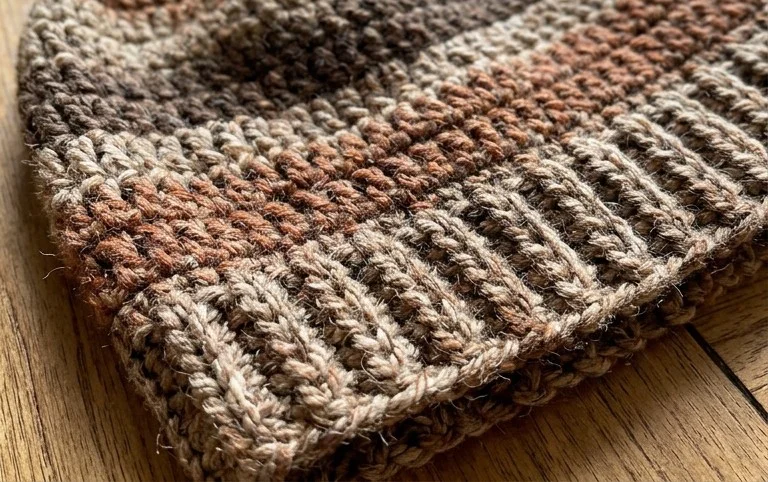
Your finished beanie provides a soft, warm shield against the cooling temperatures of late October and November. Try working this pattern in a variegated wool blend to create an automatic color shift without needing to carry multiple strands of yarn throughout your rounds. Once your hat is complete, show off your color choices by posting a photo on your favorite social media site. You can find more free winter accessory patterns on the blog for those days when you need another quick, satisfying project to keep your hands busy.