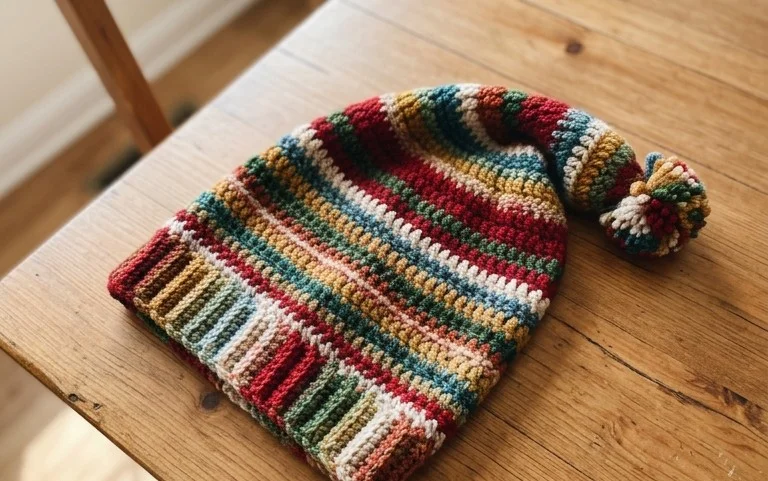
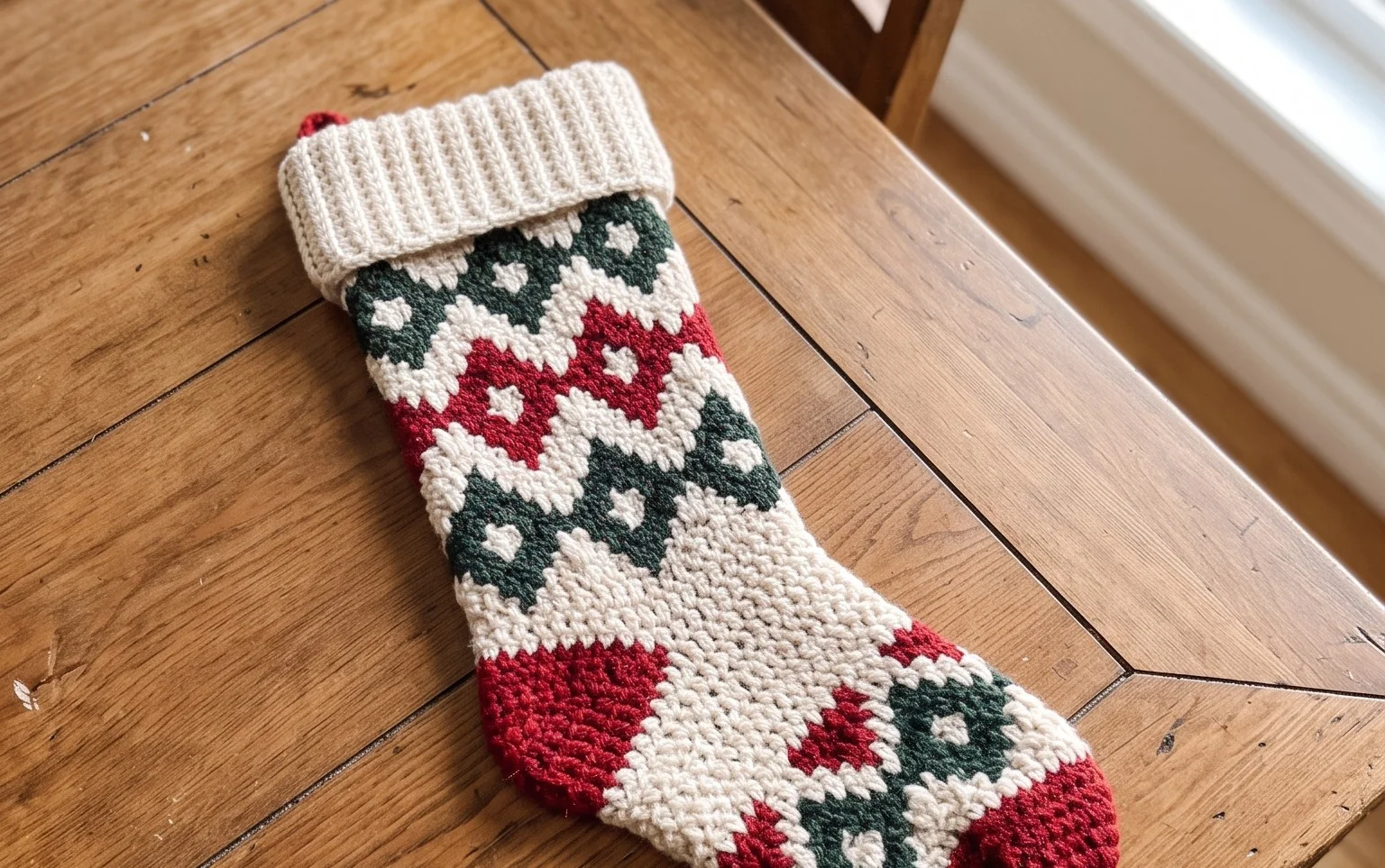
Easy Outlander Inspired Crochet Patterns for Beginners
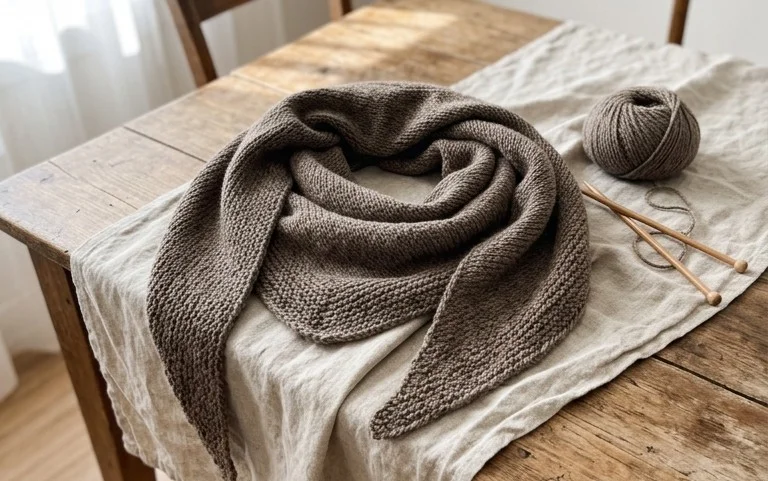
These textured squares mimic the rugged, hand-knit warmth of garments from the Scottish Highlands, feeling heavy and cozy against your skin. You can easily imagine them forming a rustic throw blanket or a thick cowl that holds up against biting wind. This project works well for anyone new to hooking, as it relies on simple double crochet clusters and consistent tension to build a dense, structured fabric. You will learn the mechanics of working in the round and joining squares to create a larger piece with a distinct historical charm, resulting in a project that feels both personal and timeless.
Why You’ll Love This Pattern
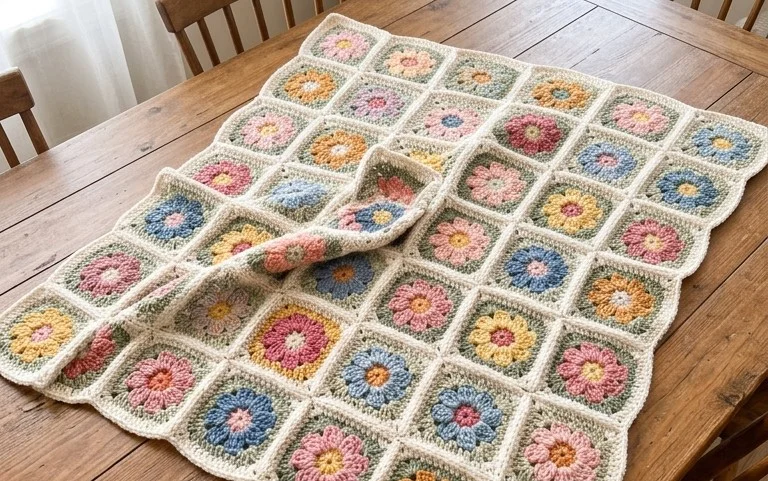
The Classic Crochet Granny Square is the quintessential building block of the fiber arts world. It relies on a rhythmic, repeating sequence of double crochet clusters, making it a meditative project that requires minimal mental energy once the initial rhythm is established. Because this square is worked in the round, you can carry it in a small project bag and work on a few rounds whenever you have ten minutes of downtime. It serves as an excellent stash-buster, as you can change colors every round to use up those small remnants of yarn left over from larger garments. The geometric structure is inherently stable, ensuring your finished projects hold their shape over time.
I finally mastered the granny square with this guide. The instructions for the corner spaces made it so much easier to understand how the square actually grows.
— Sarah, beginner crocheter
Pattern Overview & Skill Level
- Skill Level: Beginner
- Approximate Time: 30–45 minutes per square
- Construction: Continuous rounds worked from the center outward
- Finished Dimensions: Approximately 5 inches by 5 inches using medium weight yarn
Materials & Supplies Needed
- Yarn: Worsted weight (#4) acrylic or wool blend, approximately 20 yards per square.
- Hook Size: 5.0 mm (H-8).
- Notions: Tapestry needle for weaving in ends, sharp scissors.
- Yarn substitutions: You may use DK weight yarn with a 4.0 mm hook for a smaller, more delicate square, or bulky weight yarn with a 6.0 mm hook for a larger, denser square.
Stitch Guide & Abbreviations (US Terms)
- ch = chain
- st/sts = stitch/stitches
- sl st = slip stitch
- dc = double crochet
- dc cluster = 3 dc worked into the same chain space
- sp = space
- MR = magic ring
Step-by-Step Pattern Instructions
Foundation and Rounds
- Rnd 1: Start with a MR. Ch 3 (counts as 1 dc throughout), 2 dc in ring, ch 2, *3 dc in ring, ch 2; repeat from * twice more. Join with a sl st to the top of the beginning ch-3. (12 dc, 4 ch-2 spaces)
- Rnd 2: Sl st into the next 2 sts and into the first ch-2 space. Ch 3, 2 dc in same sp, ch 2, 3 dc in same sp (first corner made). *Ch 1, skip 3 dc, (3 dc, ch 2, 3 dc) in next ch-2 space (corner made); repeat from * twice more. Ch 1, join with a sl st to the top of the beginning ch-3. (24 dc, 4 ch-2 spaces, 4 ch-1 spaces)
- Rnd 3: Sl st into the next 2 sts and into the ch-2 space. Ch 3, 2 dc, ch 2, 3 dc in same sp. *Ch 1, 3 dc in next ch-1 space, ch 1, (3 dc, ch 2, 3 dc) in next corner ch-2 space; repeat from * twice more. Ch 1, 3 dc in last ch-1 space, ch 1, join with a sl st to the top of the beginning ch-3. (36 dc, 4 ch-2 spaces, 8 ch-1 spaces)
- Rnd 4: Sl st to the first corner ch-2 space. Ch 3, 2 dc, ch 2, 3 dc in same sp. *Ch 1, (3 dc in next ch-1 space, ch 1) twice, (3 dc, ch 2, 3 dc) in next corner ch-2 space; repeat from * twice more. Ch 1, 3 dc in next ch-1 space, ch 1, 3 dc in last ch-1 space, ch 1, join with a sl st to the top of the beginning ch-3. (48 dc, 4 ch-2 spaces, 12 ch-1 spaces)
Finishing
Fasten off your yarn, leaving a 6-inch tail. Use your tapestry needle to weave the tail through the back of the stitches to secure it. If you are joining multiple squares, leave a longer tail to use for the whip-stitch or mattress-stitch joining method.
Care & Washing Instructions
- Hand wash in cool water using a gentle wool detergent.
- Gently squeeze out excess water with a towel, do not wring or twist.
- Lay flat on a blocking mat or clean towel to air dry, shaping the corners to ensure a perfect square.
Pro Tips & Common Mistakes to Avoid
- Maintain consistent tension by ensuring your dc stitches are uniform in height; if the squares are pulling inward, your tension is likely too tight.
- Place a locking stitch marker in the first ch-3 of every round to easily identify where to join your slip stitch at the end.
- Weave your ends in as you go by crocheting over the tail of the new yarn for the first few stitches of each round to save time during finishing.
- If you increase the number of rounds to make a larger square, remember that each side grows by one additional 3-dc cluster per side per round, which will increase your total yarn consumption significantly.
Frequently Asked Questions
Can I use cotton yarn instead of acrylic?
Yes, cotton yarn works beautifully for granny squares. Note that cotton has less stretch than acrylic, so your square may feel slightly firmer and require more aggressive blocking to lie perfectly flat.
How do I join these squares together?
You can join squares using a mattress stitch for an invisible seam or a whip stitch for a raised, decorative effect. Both methods should be done through the back loops only to maintain a flat surface.
Is this pattern suitable for complete beginners?
This pattern is highly beginner-friendly because it only requires basic stitches and repetitive work. Mastering the dc cluster is the primary goal, which builds the muscle memory needed for more complex patterns.
May I sell items made from this pattern?
Please check the original designer’s copyright policy. Generally, small-scale sales of finished items are acceptable, but you must always use your own photographs rather than the designer’s marketing images.
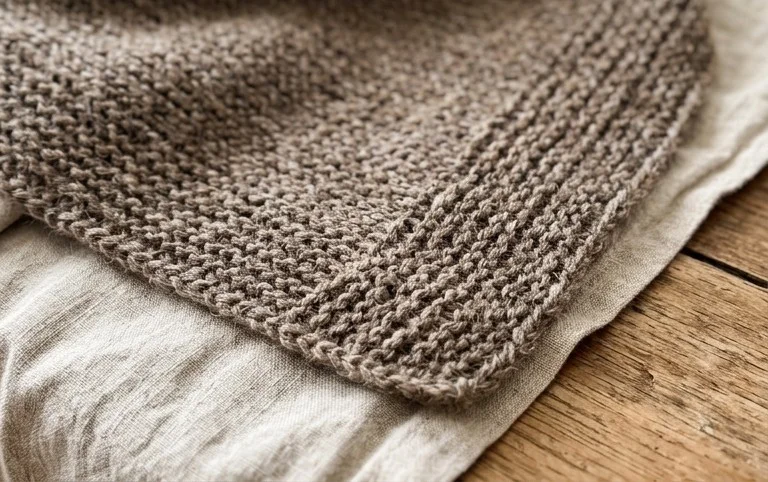
Your finished squares create a beautiful, thick fabric that looks lovely draped over the back of an armchair or stitched into a traditional infinity scarf. Try alternating between cream and slate gray yarn if you want to lean into that moody, natural color palette, or use a single shade of heathered wool for a more uniform appearance. I would love to see how your project turns out, so please share a photo on social media. Feel free to browse through the rest of the site for more free patterns.