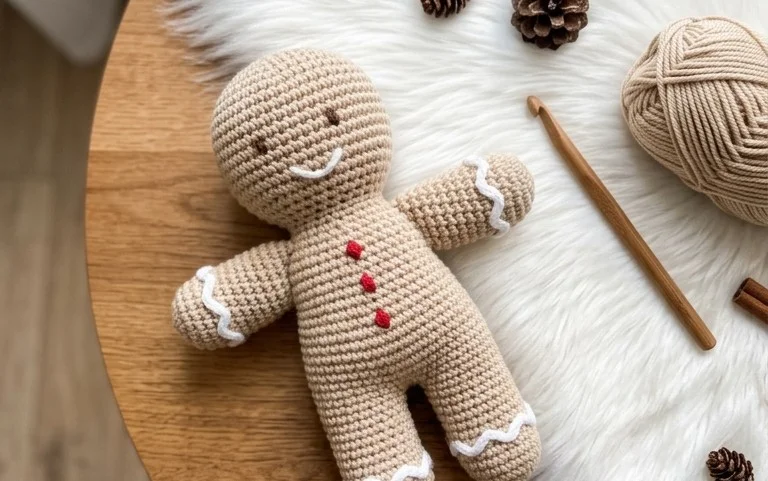
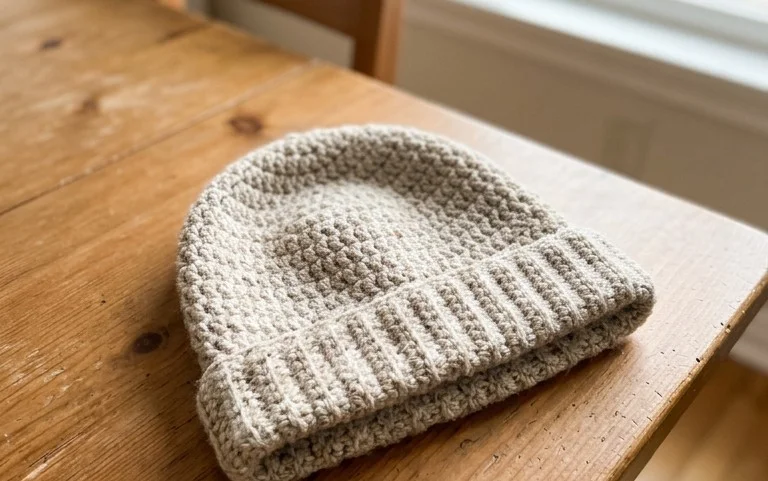
How to Crochet a Chunky Baby Bunny: Easy Beginner Pattern
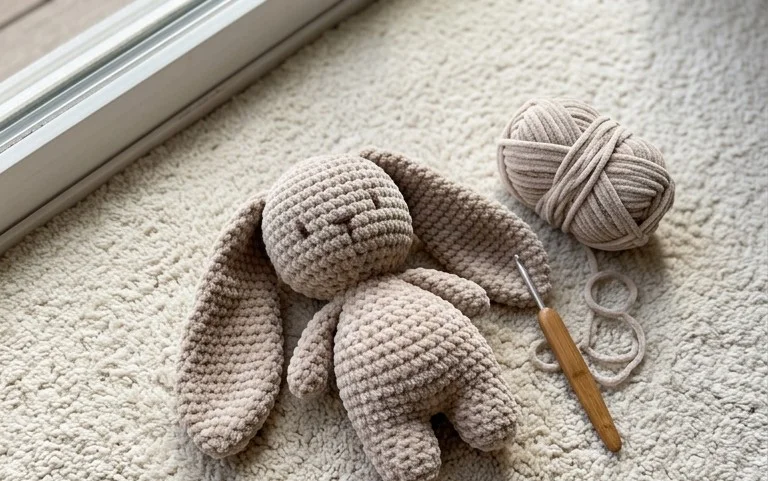
This soft, velvety plushie sits comfortably in the palm of your hand, offering a squishy texture that makes it a favorite for nurseries or small gifts. Beginners often appreciate how quickly this project comes together, as it focuses on simple shaping and basic stitches to create a rounded, huggable silhouette. You will learn how to transition from a flat base into a three-dimensional form, using a single hook and cozy yarn to build the bunny structure. Whether you are crafting for a baby shower or building your own collection of handmade toys, this small creature offers a rewarding afternoon of work.
Why You’ll Love This Pattern
The Classic Crochet Dishcloth is the perfect introduction to kitchen textiles because it relies on the durable, absorbent properties of 100% cotton yarn. This project works up quickly, making it an ideal choice for testing out new stitch patterns or practicing consistent tension without the commitment of a large blanket. Because it uses a simple, repetitive texture, you can easily finish one while listening to an audiobook or catching up on television. It serves as an excellent gift when bundled with a bar of natural soap or a wooden scrub brush.
I managed to finish three of these in one afternoon. The texture is sturdy enough to scrub stubborn pans but soft enough to wash glassware without leaving scratches.
— Sarah, home crafter
Pattern Overview & Skill Level
- Skill Level: Beginner
- Approximate Time: 1 hour
- Construction: Worked in flat rows starting from a foundation chain
- Finished Dimensions & Sizing: 8 inches by 8 inches square
Materials & Supplies Needed
- Yarn: Worsted weight (#4) 100% cotton, approximately 60 yards. Colors such as sage green or cream are classic choices for kitchen decor.
- Hook Size: 5.0 mm (H-8) crochet hook.
- Notions needed: Tapestry needle for weaving in ends and scissors.
- Safe yarn substitutions: You may use a cotton-linen blend for increased durability, though this may make the fabric slightly stiffer. Avoid acrylic yarn, as it lacks the heat resistance and absorbency required for cleaning dishes.
Stitch Guide & Abbreviations (US Terms)
- ch: Chain
- st: Stitch
- sc: Single crochet (Insert hook, yarn over, pull up a loop, yarn over, pull through both loops on hook)
- dc: Double crochet (Yarn over, insert hook, pull up a loop, yarn over, pull through two loops, yarn over, pull through remaining two loops)
- sl st: Slip stitch
- Moss Stitch: A combination of single crochet and chain stitches where the single crochet is worked into the chain-1 space of the row below.
Step-by-Step Pattern Instructions
The construction uses the moss stitch to create a dense, squishy fabric that holds soap well.
Foundation: Chain 32.
Row 1: Sc in the 4th ch from the hook, *ch 1, skip 1 ch, sc in the next ch. Repeat from * across. Turn. (15 sc, 14 ch-1 spaces)
Row 2: Ch 2, sc in the first ch-1 space, *ch 1, skip the sc, sc in the next ch-1 space. Repeat from * across, finishing with an sc in the turning chain space. Turn. (15 sc, 14 ch-1 spaces)
Rows 3-30: Repeat Row 2 until the piece measures 8 inches long.
Finishing: Fasten off, leaving a 6-inch tail. Weave the tail through the stitches on the back side of the cloth using your tapestry needle to secure the yarn. Ensure your ends are buried deep enough that they will not unravel after repeated washing cycles.
Care & Washing Instructions
- Machine wash on a warm, gentle cycle with similar colors.
- Tumble dry on low heat or lay flat on a drying rack to maintain the square shape.
- If the cloth loses its form, dampen it slightly and pull the corners gently to block it back into a flat square before air drying.
Pro Tips & Common Mistakes to Avoid
Maintain consistent tension by ensuring your yarn is not wrapped too tightly around your fingers as you work. If you find your edges are curling, your starting chain might be too tight; try using a hook one size larger for the foundation chain only. Always use a stitch marker in the first stitch of every row to ensure you do not accidentally drop stitches at the edges, which is the most common cause of a dishcloth turning into a trapezoid. If you wish to make this larger, increase your starting chain by any even number to maintain the moss stitch pattern, but note that this will increase the total yardage required.
Frequently Asked Questions
Can I use a different yarn weight for this pattern?
You can use DK weight or chunky cotton, but your finished size will change significantly. If you change the yarn weight, adjust your starting chain length until it reaches 8 inches wide and continue until it matches that length.
Is this pattern suitable for someone who has never crocheted before?
Yes, this is an ideal beginner project. It teaches you how to maintain even tension and how to recognize stitch spaces without the complexity of working in the round.
Can I sell the dishcloths I make from this pattern?
You are welcome to sell finished items created from this pattern. I ask that you provide credit to the designer and use your own original photographs for your shop listings.
Why does my dishcloth have holes along the sides?
Gaps along the edges usually occur because of incorrect turning chain techniques. Ensure your turning chain is counted correctly and that you are working into the correct spaces as defined in Row 2 to keep the edges straight.
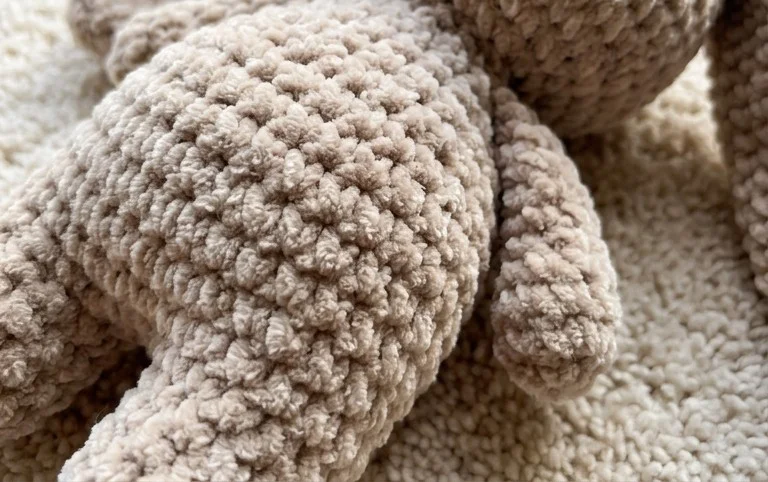
Your finished bunny stands as a soft companion ready for any nursery shelf or playroom. You can experiment with different yarn weights like a cotton blend to see how it changes the size and overall firmness of the toy. Sharing a photo of your finished creation helps others see the possibilities, so feel free to post your results on social media platforms. There are many more animal projects available on the blog for those who enjoyed this process and want to expand their handmade menagerie further.