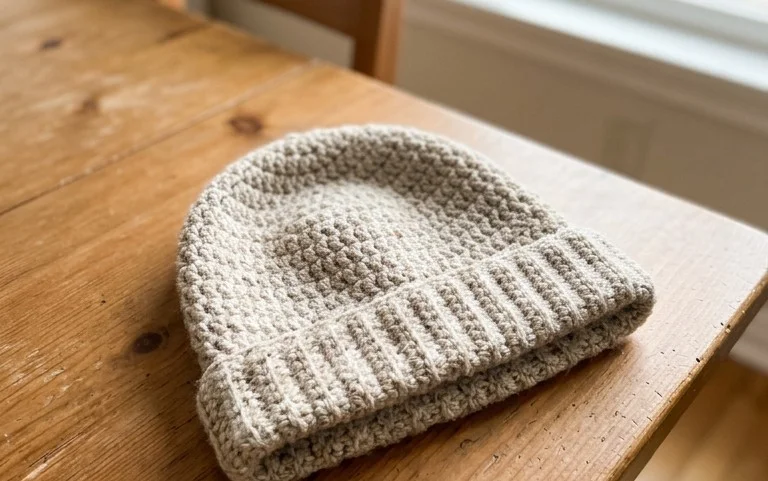
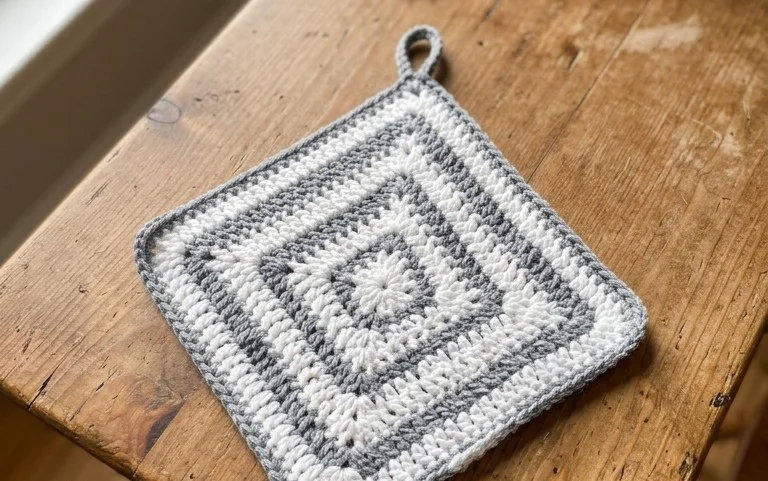
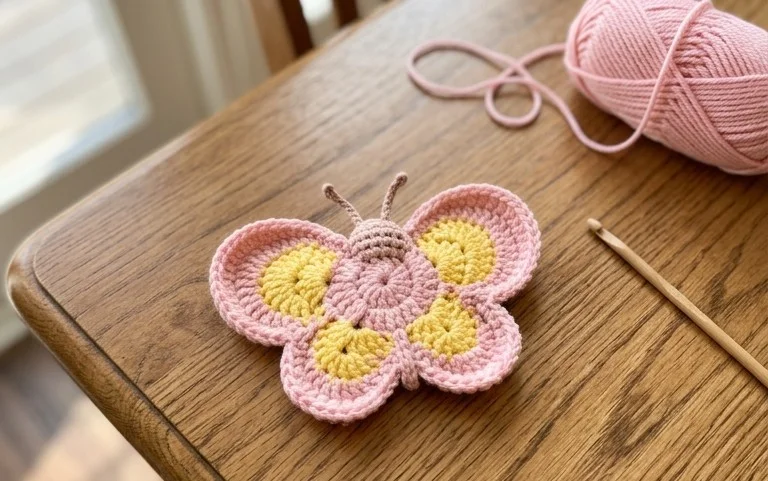
Easy Crochet Butterfly Amigurumi Free Pattern Tutorial
These winged creatures fit comfortably in the palm of your hand, featuring a dense, soft structure that maintains its shape even after being tucked into a pocket or bag. Making these small figures is a grounding way to spend an afternoon because the repetitive rounds of single crochet help clear your mind. You will find that these projects are beginner-friendly since they rely primarily on working in the round and increasing stitches to build volume. Whether you want to assemble a mobile for a nursery or add a soft touch to your desk, you will learn to manage tension and shaping here.
Why You’ll Love This Pattern
This classic crochet dishcloth is designed to be highly functional while providing a relaxing, repetitive rhythm that is ideal for winding down after a long day. The texture is intentionally dense yet flexible, created by using a moss stitch variation that excels at scrubbing dishes without scratching delicate surfaces. Because this project requires very little yarn, it serves as a practical way to use up leftover cotton from larger home decor projects. The finished cloth holds its shape well through repeated washing cycles, making it a reliable staple for any kitchen.
I managed to finish three of these in a single weekend. The texture is much better than the store-bought sponges I used to rely on.
— Sarah, home crafter
Pattern Overview & Skill Level
- Skill Level: Beginner
- Approximate Time: 45 to 60 minutes
- Construction: Worked in flat rows using a simple stitch repeat
- Finished Dimensions & Sizing: Approximately 8 inches by 8 inches square
Materials & Supplies Needed
- Yarn: Worsted weight (#4) 100% cotton yarn, approximately 60 yards. Cotton is the standard choice because of its absorbency and heat resistance.
- Hook Size: 5.0 mm (US H-8). This size ensures the stitches are tight enough to be durable but loose enough to maintain flexibility.
- Notions: Tapestry needle for weaving in ends, scissors, and optional locking stitch markers to track the start of your rows.
- Safe yarn substitutions: Any cotton-acrylic blend or bamboo-cotton blend will work, though 100% cotton is recommended for maximum absorbency. If you choose a lighter weight yarn, you will need to add more starting chains and rows to reach the target size.
Stitch Guide & Abbreviations (US Terms)
- ch = chain
- sc = single crochet
- st(s) = stitch(es)
- sk = skip
- turn = turn your work to the opposite side to begin the next row
- Moss Stitch: A repeating pattern of single crochet and chain stitches, creating a woven texture.
Step-by-Step Pattern Instructions
The Dishcloth Base
Begin with a foundation chain that is an even number. To achieve an 8-inch width, chain 32.
- Row 1: Sc in the 4th ch from the hook. *Ch 1, sk 1 ch, sc in the next ch. Repeat from * across until the end. Turn. (15 sc, 15 ch-1 spaces)
- Row 2: Ch 2. Sc in the first ch-1 space. *Ch 1, sk the sc st, sc in the next ch-1 space. Repeat from * across, ending with a sc in the turning chain space. Turn. (16 sc, 15 ch-1 spaces)
- Row 3: Ch 2. Sc in the first ch-1 space. *Ch 1, sk the sc st, sc in the next ch-1 space. Repeat from * across. Turn. (16 sc, 15 ch-1 spaces)
Repeat Row 3 until the piece measures 8 inches from the starting edge. Fasten off your yarn, leaving a 6-inch tail for weaving.
Finishing
Thread your tapestry needle with the tail from the final stitch. Weave the yarn through the back loops of the last row to secure it. Repeat this process for the starting yarn tail. Pull gently on the finished square to block it into a perfect shape. If the cloth feels wavy, dampen it slightly and lay it flat on a towel until fully dry.
Care & Washing Instructions
- Machine wash in warm water (up to 40°C) with similar colors to prevent fading.
- Lay the cloth flat on a clean, dry towel to air dry, which helps maintain the square shape.
- Do not bleach the cloth, as this can degrade the cotton fibers and lead to premature thinning of the fabric.
Pro Tips & Common Mistakes to Avoid
- Maintain consistent tension: Cotton yarn has very little stretch. If your stitches are too tight, the fabric will feel stiff, making it difficult to insert the hook into the chain spaces. If you find your hands cramping, take a short break or consciously loosen your grip on the yarn.
- Use stitch markers: At the end of each row, place a stitch marker in the last sc to ensure you identify the correct space to work into on the return row. This prevents the edges from accidentally decreasing and creating a triangle instead of a square.
- Weaving ends: Always weave your yarn tails back and forth through at least three different directions. This “locking” technique prevents the ends from popping out when the cloth is agitated in the washing machine.
- Adjusting size: You can easily resize this pattern by adding or subtracting chains in increments of two. If you increase the width, remember to increase the number of rows proportionally to keep the cloth square.
Frequently Asked Questions
Can I use a different yarn weight for this pattern?
Yes, you can use DK or bulky weight cotton. If you switch to DK, you will need to add more starting chains to maintain the 8-inch width. If using bulky, you will need fewer chains.
Why are the edges of my cloth looking uneven?
Uneven edges often occur when the last stitch of the row is skipped or worked into the wrong loop. Always count your stitches at the end of every row to ensure you have 16 single crochets.
Is this pattern suitable for complete beginners?
This is an excellent beginner project because it uses only basic chain and single crochet stitches. It requires no complex shaping or counting beyond basic arithmetic.
Can I sell the dishcloths I make from this pattern?
You are welcome to sell physical items made from this pattern, provided you credit the design. Please do not sell or redistribute the text of the pattern itself.
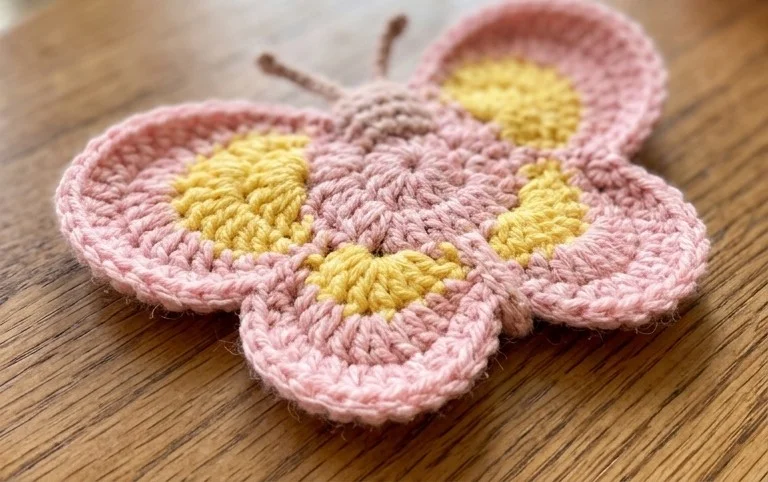
Your new fabric friend looks beautiful sitting on a bookshelf or attached to a handmade gift. You might consider using a variegated cotton yarn for the wings to create a natural color transition that mimics real insects in the garden. Please share a photo of your finished work on social media so others can see your color choices. I keep adding new designs to this blog every week, so check the main page again soon for more free patterns to fill your afternoon hours.